Building a modular home is an exciting and efficient way to own a high-quality, affordable, and eco-friendly house. Modular homes provide several benefits, including faster construction, flexibility, and reduced costs. Here’s a step-by-step breakdown of the process, so you can understand exactly how to bring your modular home to life.
How Do You Start Planning & Designing Your Modular Home?
Define Your Needs
Before you begin, you need to know what you want. Work with a manufacturer to choose or customize a floor plan based on your preferences. Consider the number of bedrooms, bathrooms, and any additional features like garages, porches, or special living spaces. Setting a clear budget early on is crucial—include costs for land, home construction, permits, and utilities.
Choose Your Design
Do you want a pre-designed model or a completely custom layout? Many manufacturers, such as Wascovilla, offer both. Whether you stick with a standard design or customize the home, make sure it fits your style and budget. If you have specific requirements, discuss them with the manufacturer to find a suitable plan.
Secure Financing
Once you know your design and budget, the next step is securing financing. Prefabricated homes often cost 10-30% less than traditional homes. However, financing differs. Explore construction loans, prefab home mortgages, or personal loans to find the best option. Make sure your lender understands modular home financing.
How Do You Prepare Your Land & Obtain Necessary Permits?
Choose the Right Land
If you don’t have land, the first task is to choose the right plot. The land should be easily accessible to trucks and cranes for module delivery. Assess the site for drainage, soil stability, and topography to ensure it’s suitable for the foundation type you’ll need.
Get Permits & Approvals
Before construction starts, make sure all your legal ducks are in a row. You’ll need to secure several permits:
- Building Permits: Submit your modular home plans for local approval.
- Utility Permits: Check if water, electricity, gas, and sewage systems are available or need to be connected.
- Foundation Permits: If a permanent foundation is required, make sure it’s approved before you begin.
What Foundation Is Needed for Your Modular Home?
Choose the Right Foundation
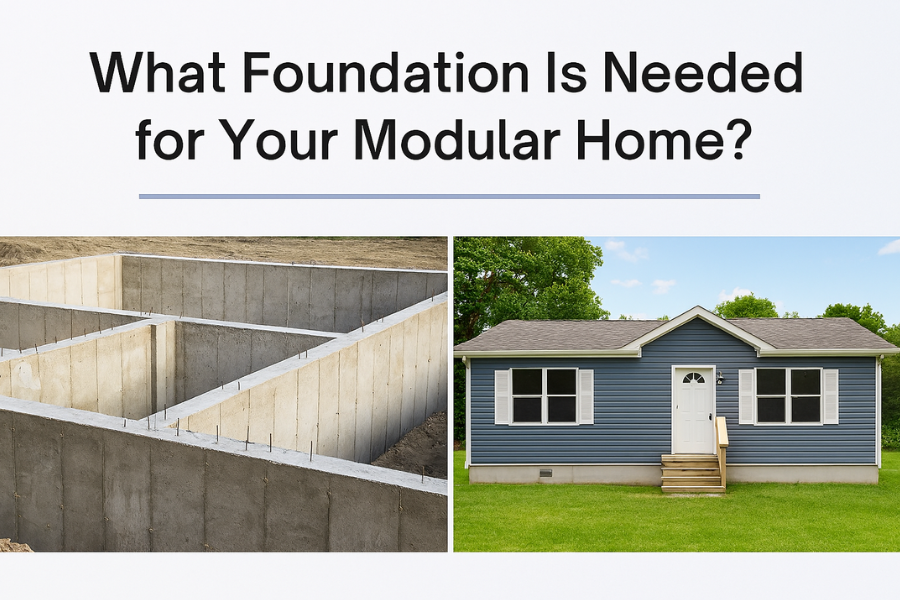
A solid foundation is critical for your modular home’s stability. You’ll likely choose one of these three options:
- Concrete Slab: Ideal for flat, stable land.
- Crawl Space Foundation: Great for easier access to plumbing and utilities.
- Basement Foundation: Provides extra storage or living space, though at a higher cost.
Wascovilla’s homes are built on insulated foundation slabs, providing both structural stability and energy efficiency.
What Happens During Off-Site Manufacturing?
Constructing the Modules
Once your land is ready, manufacturing begins in a climate-controlled factory. Modules are constructed simultaneously with site preparation, avoiding delays due to weather. This dual approach speeds up the process significantly.
Quality Control & Inspections
As each module is built, it undergoes strict quality checks. This includes plumbing, electrical work, insulation, flooring, drywall, and cabinetry. The modules are assembled with precision to minimize defects, ensuring a high-quality finish.
How Are the Modules Delivered and Assembled?
Transporting the Modules
When the modules are ready, they are carefully transported to your construction site. Flatbed trucks are typically used, and special permits may be required if the modules are oversized.
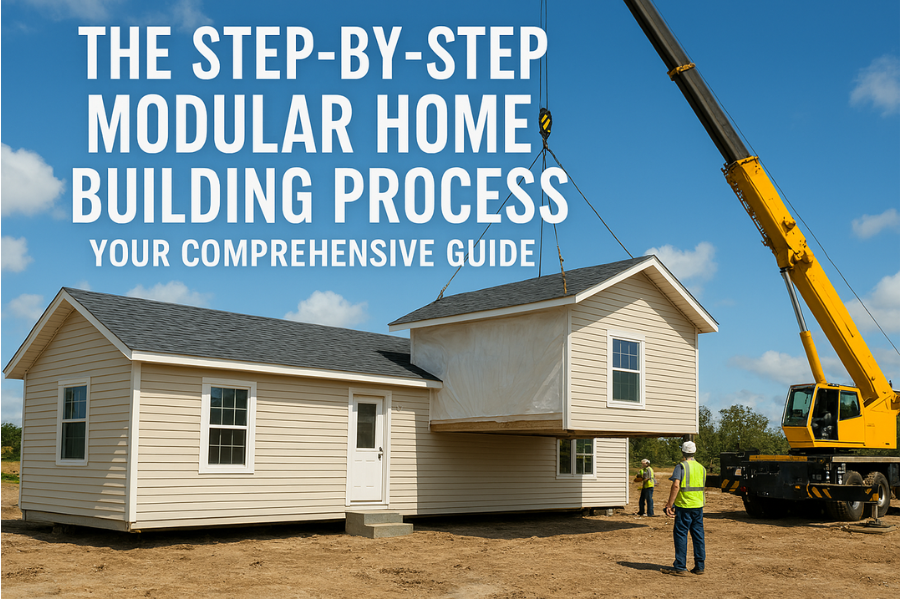
Crane Installation & Assembly
A crane will be used to place each module onto the foundation. This process usually takes between one to several days, depending on the design’s complexity.
Connecting the Modules
Once placed, the modules are connected. This step involves sealing seams, ensuring structural integrity, and connecting utilities (water, gas, electricity, and sewage).
How Are Final Touches & Inspections Completed?
Exterior & Interior Finishing
The final touches include painting, trim work, roofing, siding, and any outdoor additions like porches or decks. The interior is finished with fixtures, painting, and flooring.
Utility Connections & Testing
Utility lines are connected, and systems like HVAC, plumbing, and electricity are tested thoroughly to ensure everything functions as it should.
Inspections & Certificate of Occupancy
Your modular home must undergo a final inspection by local authorities to ensure it meets building codes. Once approved, a Certificate of Occupancy is issued, officially allowing you to move in.
How Do You Prepare for Move-In?
Walkthrough with Builder
Before the final handover, you’ll have a walkthrough with your builder. This gives you the chance to make sure everything meets your expectations. Any last-minute adjustments will be taken care of here.
Final Handover
Once everything is completed, you’ll receive the keys to your new home. It’s time to unpack and enjoy your beautiful, energy-efficient modular home!
Conclusion:
The process of building a modular home is quicker, more affordable, and more energy-efficient than traditional construction. By working with a reliable manufacturer, like Wascovilla, you’ll experience a smooth and predictable process from start to finish. Whether you want to be involved at every step or prefer a turnkey solution, modular homes offer a modern, flexible, and cost-effective approach to homebuilding.
Are you ready to get started? Reach out to a modular home manufacturer today and begin the journey to your dream home!
Sources and References:
Modular home building process insights from Wascovilla
Off-site manufacturing details and assembly best practices
Financing and permitting specifics for prefab homes
The Step-by-Step Modular Home Building Process
Step 1: Planning & Design
Define Your Needs: Determine the number of bedrooms, bathrooms, and additional features like a garage or porch. Set a budget for land, permits, and utilities.
Choose Your Design: Pick from pre-designed plans or customize the layout. Work with the manufacturer to ensure it fits your style and budget.
Secure Financing: Explore construction loans or prefab home mortgages tailored to modular homes.
Step 2: Land Preparation & Permits
Choose Your Land: Ensure the land is accessible and suitable for your chosen foundation.
Obtain Permits: Get building, utility, and foundation permits to comply with local regulations.
Step 3: Foundation
Choose the Right Foundation: Options include concrete slab, crawl space, or basement foundation depending on your land and needs.
Step 4: Off-Site Manufacturing
Module Construction: The modules are built in a factory, ensuring high quality and no weather delays.
Quality Control: Each module undergoes strict checks to ensure plumbing, electrical, and finishes are installed correctly.
Step 5: Transport & On-Site Assembly
Transport the Modules: Modules are delivered to your site using flatbed trucks.
Crane Installation: A crane lifts the modules onto the foundation.
Connect Modules: The modules are sealed together, and utilities are connected.
Step 6: Finishing Touches & Inspections
Interior & Exterior Finishing: Final touches like painting, flooring, and exterior finishes are completed.
Utility Connections & Testing: Ensure plumbing, HVAC, and electrical systems are fully functional.
Final Inspection: The home undergoes a local authority inspection for compliance with building codes.
Step 7: Move-In
Walkthrough with Builder: Inspect the final build to ensure it meets your expectations.
Final Handover: Once everything’s approved, you get the keys to your new home!
Organic digital marketing for home improvement businesses—SEO, local search, content that attracts quality leads.” homedwellish.com