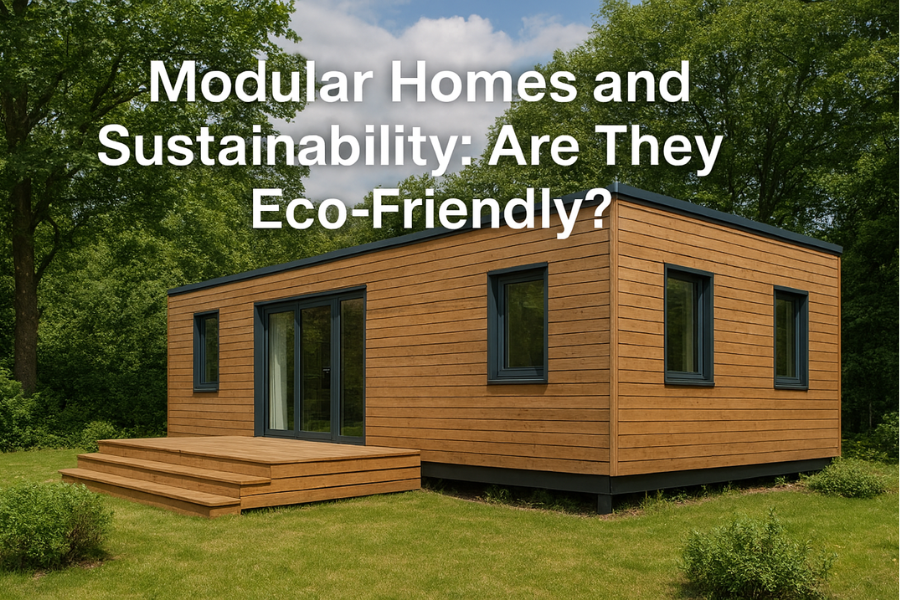
Rising housing costs and climate concerns push many people to seek smarter options. Modular homes offer a solution that blends affordability with sustainability. Factory-built precision cuts waste by up to 90% compared to traditional construction. Energy-efficient designs lower bills and reduce environmental impact. Eco-friendly materials like bamboo, reclaimed wood, and recycled steel create healthier living spaces. You gain a home that supports both your lifestyle and the planet.
Why do modular homes offer a greener choice?
A modular home comes from a factory-controlled process. Precision cutting reduces waste by up to 90% compared to traditional builds. Materials stay protected indoors, which prevents damage and unnecessary disposal.
Energy efficiency forms a core advantage. Tight seals and advanced insulation reduce air leaks. High-performance windows lower heating and cooling needs. Over time, you save money and reduce your carbon footprint.
How do materials impact sustainability?
Many builders use bamboo, reclaimed wood, and recycled steel. Low-VOC paints improve indoor air quality. At the end of a home’s life, components can be reused or recycled.
A 2024 industry report shows that 65% of modular home projects now include at least one recycled material source. That number continues to grow as demand for eco-friendly housing rises.
What features make modular homes advanced?
Smart home systems control lighting, heating, and cooling. Energy-efficient glazing and modern insulation improve comfort. Water-saving fixtures reduce utility bills.
You gain both convenience and sustainability. A study by the U.S. Department of Energy found that modular homes can cut energy use by up to 25% compared to standard builds.
How affordable are modular homes?
Average costs range from $100 to $200 per square foot. A 2,000 sq. ft. home may cost between $200,000 and $400,000. A similar traditional home can reach $500,000.
Location, customization, and site preparation affect the final price. Remote sites may require higher transport costs. High-end finishes increase budgets. Soil and slope conditions influence foundation expenses.
What long-term savings can you expect?
Durable materials reduce maintenance costs. Energy-efficient systems lower monthly bills. Over 20 years, savings can reach tens of thousands of dollars.
A 2023 housing market survey revealed that 72% of modular homeowners reported lower annual maintenance costs than owners of conventional homes.
Can modular homes achieve green certifications?
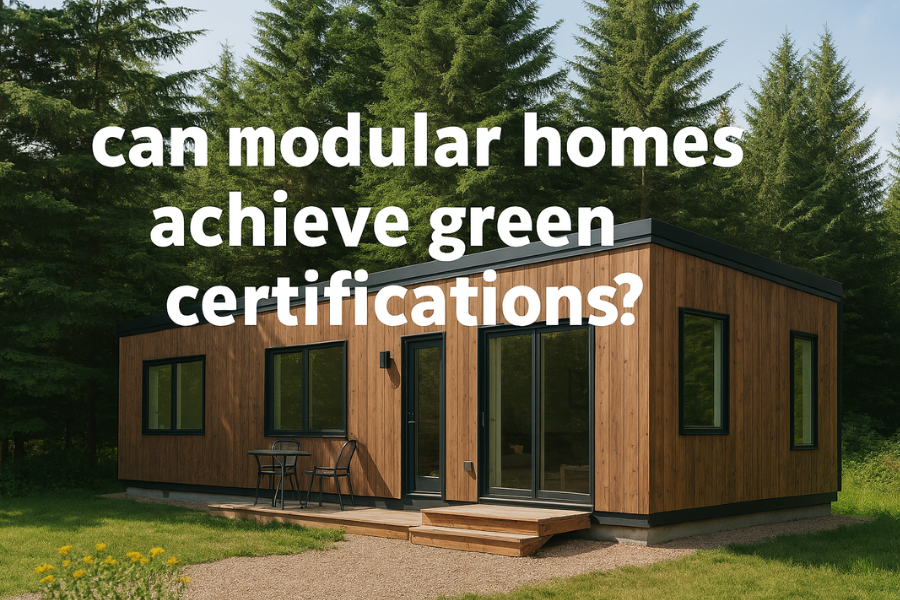
LEED certification rewards energy efficiency, water conservation, and indoor air quality. WELL certification focuses on occupant health, natural light, and ergonomic design.
Homes with these certifications often have higher resale values. They also promote healthier living environments.
How do modular beach houses meet coastal needs?
Reinforced structures withstand salt air, wind, and floods. Elevated foundations protect against water damage and improve views. Large decks and terraces enhance outdoor living.
Popular styles include Cape Cod, Modern Coastal, and Nantucket. Many coastal modular homes also meet LEED and WELL standards.
Why are modular homes ideal for families?
Flexible layouts adapt to changing needs. Open floor plans create space for gatherings. Multiple bedrooms and dedicated areas for work or play improve functionality.
Safety features include fire-resistant materials and eco-friendly finishes. Energy-efficient systems support both comfort and sustainability.
Final Thoughts
A modular home offers a rare mix of sustainability, affordability, and flexibility. Factory-built precision reduces waste and speeds up construction. Energy-efficient designs lower bills and protect the environment. Eco-friendly materials create healthier spaces for you and your family. Certifications like LEED and WELL add value and trust. You gain a home that adapts to your needs and supports a greener future.
FAQs
Q1: How long does it take to build a modular home?
Most modular homes take two to four months from design approval to move-in. Factory production and on-site assembly run in parallel, which shortens timelines.
Q2: Are modular homes durable in extreme weather?
Yes. Many modular homes use reinforced frames and weather-resistant materials. Coastal models often include elevated foundations for flood protection.
Q3: Can modular homes be customized?
Yes. You can choose layouts, finishes, and features. Builders offer options for smart systems, energy-efficient upgrades, and unique designs.
Q4: What is the average cost per square foot?
The average cost ranges from $100 to $200 per square foot. Location, design complexity, and materials affect the final price.
Q5: Do modular homes qualify for green certifications?
Yes. Many meet LEED and WELL standards. These certifications confirm high performance in energy efficiency, air quality, and occupant well-being.
Q6: Are modular homes a good investment?
Yes. Lower maintenance costs, energy savings, and strong resale potential make them a solid long-term choice.
Discover stylish living ideas and home trends at Homedwellish.com.