
Smart lighting has become a core element in modern homes. It blends technology, design, and wellness into one system. You gain control over brightness, color, and mood with a single command. The result is a space that adapts to your lifestyle.
Why Does Lighting Shape the Look of a Room?
Light defines how you see color, texture, and form. A well-placed LED strip can highlight a textured wall or a piece of art. Pendant lights with sculptural designs can act as focal points even when switched off. A clean design emerges when cords, switches, and remotes disappear. Voice control and app-based systems make that possible.
How Can Lighting Influence Mood and Atmosphere?
Lighting scenes can shift a room from work mode to relaxation instantly. You can set a “Movie Night” scene with dimmed warm tones or a “Focus” scene with bright cool light. Color temperature plays a role in how you feel. Studies show that cool white light (5000K–6500K) boosts alertness, while warm amber light (2700K–3000K) promotes calmness. RGB smart bulbs offer millions of colors. You can create vibrant party effects or subtle washes for a cozy evening.
What Role Does Smart Lighting Play in Wellness?
Human-Centric Lighting (HCL) aligns indoor light with natural daylight cycles. Your body responds to these changes by regulating sleep and energy levels. Cooler, brighter light in the morning can improve focus. Warmer, dimmer light in the evening can prepare you for rest. Research from the Lighting Research Center shows that proper light exposure can improve sleep quality by up to 58%.
How Does Smart Lighting Improve Daily Living?
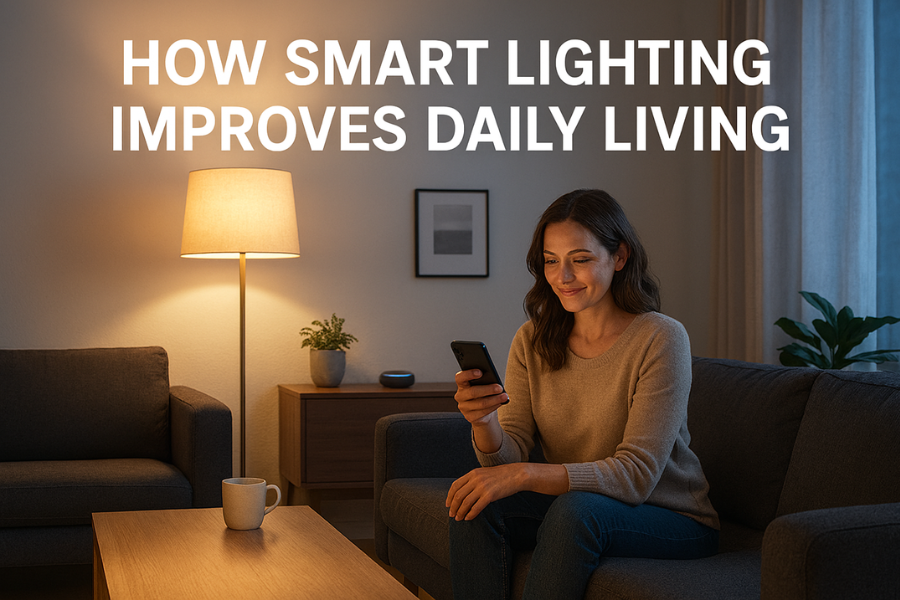
Integration with other smart devices creates a seamless home environment. Lights can dim when a movie starts or turn on when motion is detected. You can control everything through a smartphone app or voice assistant. Schedules ensure lights operate automatically without manual input. A survey by Statista reports that 43% of smart home users value lighting automation as their top feature.
Why Is Smart Lighting a Sustainable Choice?
LED bulbs use up to 75% less energy than incandescent bulbs. Dimming features reduce consumption further. Daylight harvesting adjusts brightness based on natural light levels. Occupancy sensors prevent waste by turning lights off in empty rooms. The U.S. Department of Energy notes that LED lighting can last 25 times longer than traditional bulbs.
Can Lighting Enhance Home Security?
Smart lighting can simulate occupancy when you are away. Randomized on-off patterns deter intruders. Integration with security cameras allows lights to flash when motion is detected. This creates a visible alert and draws attention to suspicious activity.
What Future Trends Will Shape Smart Lighting?
AI-powered systems will learn your habits and adjust lighting automatically. Entertainment integration will sync lights with music, movies, and games for immersive experiences. Augmented reality tools will let you preview lighting layouts before installation, helping you make better design choices.
Final Thought
Smart lighting is more than a design upgrade. It is a tool for comfort, efficiency, and security. You gain control over how your home looks, feels, and functions. The right system can turn any room into a space that works for you.
FAQs
Q1: What is smart lighting in interior design?
Smart lighting uses LED technology, wireless control, and automation to adjust brightness, color, and timing. It combines aesthetics with functionality to improve comfort, efficiency, and mood.
Q2: How does smart lighting improve a home’s appearance?
Strategic placement highlights textures, artwork, and architectural features. Minimalist fixtures and hidden controls create a clean, modern look.
Q3: Can smart lighting affect mood and productivity?
Yes. Cool white light boosts focus during the day. Warm amber tones promote relaxation in the evening. Studies link proper light exposure to better sleep and higher energy levels.
Q4: What are the main benefits of human-centric lighting?
It aligns indoor light with natural daylight cycles. This supports circadian rhythms, improves sleep quality, and enhances overall well-being.
Q5: How does smart lighting integrate with other smart home systems?
It connects with thermostats, blinds, and entertainment systems. Automation allows lights to respond to motion, schedules, or media playback.
Q6: Is smart lighting energy efficient?
LED bulbs use up to 75% less energy than incandescent bulbs. Features like daylight harvesting and occupancy sensors reduce waste further.
Q7: Can smart lighting improve home security?
Yes. Automated schedules and random light patterns simulate occupancy. Integration with cameras and motion detectors adds a visible deterrent.
Q8: What future trends will shape smart lighting?
AI will learn user habits for automatic adjustments. AR tools will preview lighting layouts before installation. Entertainment syncing will create immersive experiences.
Q9: How long do smart LED bulbs last?
High-quality LEDs can last up to 25,000 hours. This reduces replacement costs and environmental impact.
Q10: Is smart lighting worth the investment?
It enhances design, improves comfort, saves energy, and adds security. The long-term benefits often outweigh the initial cost.”Find smart tips and cozy inspiration for every home at Homedwellish.com.”