
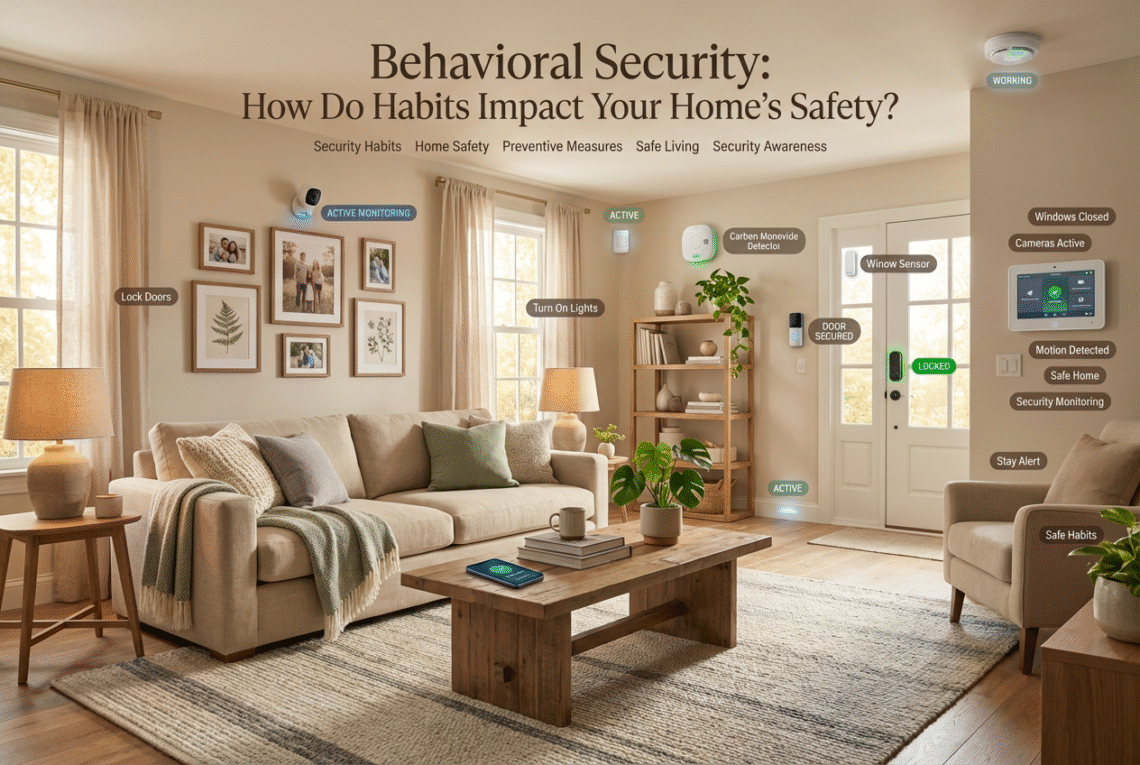
Your home’s safety depends on behavior. The habits you follow, the routines you build, and the awareness you maintain shape your security posture. Behavioral security acts as a silent shield. Consistent actions reduce risks and discourage intrusions.
What Habits Strengthen Home Security?
Proactive routines create a strong defense. You build resilience through consistency.
Why Should You Lock Doors Every Time?
You reduce risk when you lock all entry points—even during short absences. Smart locks with auto-lock features eliminate human error. A locked door removes opportunity.
How Can a Nightly Routine Improve Safety?
You create discipline when you set a fixed time for security checks. A 9:00 PM habit ensures doors are locked, alarms are active, and cameras are online. Smart apps help automate this process. Repetition builds reliability.
According to the Harvard Business Review, habit formation requires intention and consistency. A routine becomes automatic when repeated at the same time daily.
What Makes Your Home Look Occupied?
You simulate presence when lights and radios operate on timers. Neighbors who collect mail and packages help maintain normalcy. A lived-in appearance discourages targeting.
Why Should You Limit Online Sharing?
You protect privacy when you avoid posting travel plans or expensive purchases. Location tagging exposes patterns. Family members must understand digital risks.
A 2023 study by SafeWise found that 65% of burglary victims had posted travel updates online within 48 hours of the incident.
How Does Exterior Maintenance Deter Intruders?
You remove hiding spots when you trim shrubs near windows. Motion-activated lights expose movement. Clear pathways signal vigilance.
What Should You Do With Tools and Equipment?
You eliminate access points when ladders and tools stay locked away. Burglars use unattended items to reach upper floors or break windows.
How Can Neighbors Help?
You build a safety network when you share contact details and report suspicious activity. Community apps like Nextdoor increase awareness. Local watch groups reduce crime rates.
What Habits Create Vulnerabilities?
Small mistakes lead to big risks. You weaken your defenses through carelessness.
Where Should You Keep Spare Keys?
You avoid exposure when keys stay off the property. Mats, planters, and fake rocks are predictable. Smart locks or trusted neighbors offer safer alternatives.
Why Should You Lock Second-Floor Windows?
You close access points when all windows are secured. Burglars use ladders or climb structures. Window sensors add protection.
What Happens When the Garage Door Stays Open?
You reveal valuables when the garage remains exposed. Criminals observe patterns and exploit unlocked entryways. Sensors and alerts prevent oversight.
How Do Boxes Signal Wealth?
You attract attention when electronics packaging sits on the curb. Break down boxes and conceal them inside bins. Visible purchases invite theft.
FBI data shows that homes displaying high-value packaging experience a 22% higher break-in rate.
Why Is Routine a Risk?
You become predictable when departure and arrival times never change. Burglars study patterns. Randomized lighting and varied schedules confuse observers.
What Happens When Equipment Fails?
You lose protection when alarms and cameras stop working. Monthly tests and firmware updates ensure reliability. Annual inspections catch hidden issues.
How Can You Turn Routines Into Habits?
You build habits through repetition and reinforcement. A fixed time, such as 9:00 PM, creates structure. Visual cues like checklists or app reminders support consistency.
What Should Your 9 PM Safety Checklist Include?
| Task | Status |
| Lock all doors and windows | ✅ |
| Pull cars into garage | ✅ |
| Turn on exterior lights | ✅ |
| Check surveillance system | ✅ |
| Set alarm system | ✅ |
| Secure valuables and tools | ✅ |
How Can You Teach Kids Security Habits?
You build awareness when children learn safety early. Age-appropriate lessons create lifelong responsibility.
What Should Kids Know About Physical Safety?
You reinforce habits when kids lock doors before bed. Role-play helps them respond to strangers. Older children can help manage alarm systems.
Why Is Digital Safety Important?
You protect identity when kids use strong passwords and avoid sharing personal details. Social media education reduces exposure.
A 2022 report by CyberSafe Kids found that 40% of children aged 10–14 had shared personal information online without realizing the risk.
What Emergency Skills Should Kids Learn?
You reduce panic when children memorize emergency contacts and practice fire drills. Trusted adults provide support during crises.
How Can You Make Security Fun?
You increase engagement when safety becomes a game. Charts, stickers, and rewards reinforce behavior. Children respond to praise and structure.
What Final Habit Matters Most?
You create peace of mind when security becomes second nature. Technology supports your efforts. Behavior defines your results. A secure home starts with consistent action.
FAQs
What is behavioral security in a home setting?
You shape behavioral security through consistent habits that protect your home. It includes locking routines, digital discretion, and awareness of surroundings. These actions reduce vulnerabilities and deter intrusions.
How do daily habits affect home safety?
You increase safety when habits become automatic. Locking doors, setting alarms, and checking cameras each night builds a strong defense. Inconsistent behavior creates opportunities for break-ins.
Why is the 9 PM safety routine effective?
You create structure when safety checks happen at the same time daily. A 9 PM habit ensures all entry points are secured, alarms are active, and surveillance is online. Repetition turns routine into habit.
What are the most overlooked security mistakes?
You expose your home when spare keys stay outside, second-floor windows remain unlocked, or garage doors stay open. Predictable routines and neglected systems also weaken defenses.
How can smart technology support behavioral security?
You automate safety with smart locks, motion lights, and surveillance apps. These tools reinforce habits and provide real-time alerts. Technology complements behavior—not replaces it.
Why should children learn security habits early?
You build lifelong awareness when kids understand safety basics. Locking doors, avoiding strangers, and practicing emergency drills help them contribute to home protection.
What digital habits improve home security?
You reduce online risks when family members avoid sharing travel plans or expensive purchases. Strong passwords and privacy settings protect digital entry points.
How can neighbors help improve security?
You strengthen your safety net when neighbors share information and report suspicious activity. Community apps and watch groups increase vigilance and reduce crime.
What’s the best way to maintain security systems?
You ensure reliability through monthly tests, battery replacements, and annual inspections. A well-maintained system provides accurate protection and peace of mind.
Can routines become habits that improve safety?
You build habits through repetition and intention. A fixed time, visual reminders, and consistent practice turn routines into automatic behaviors that protect your home.“Uncover home improvement inspiration and smart design at homedwellish.”