Terry Cloths
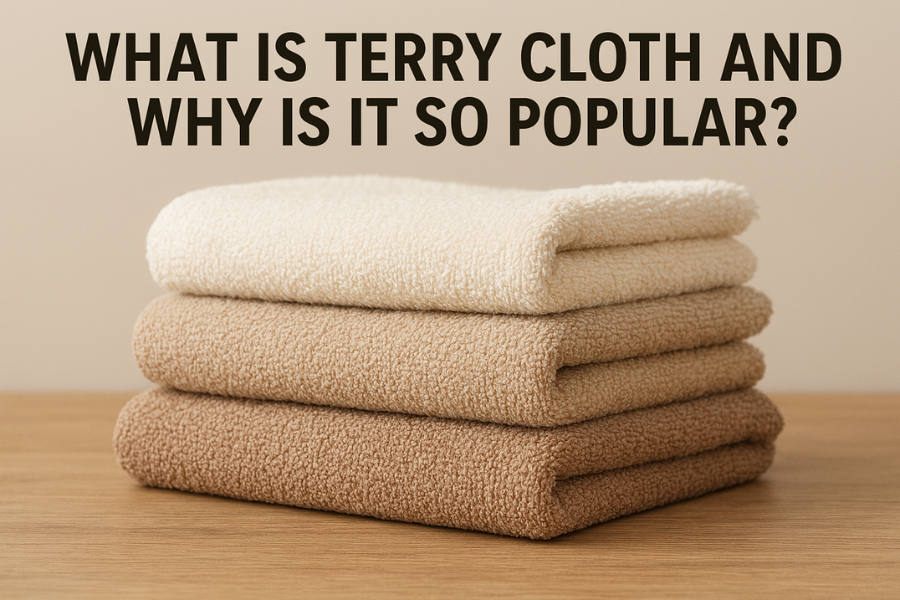
Terry cloth is a soft, absorbent fabric known for its looped texture and versatile performance. You see it in bath towels, robes, beachwear, and even casual clothing. Its unique weave allows it to soak up moisture quickly while staying gentle against the skin.
Manufacturers use cotton, bamboo, or microfiber to produce terry cloth in various weights and finishes. Whether you choose long-loop terry for luxury or French terry for sporty comfort, the fabric adapts to both fashion and function.
Terry cloth continues to grow in popularity due to its durability, comfort, and wide range of uses. From home essentials to eco-friendly products, it remains a top choice for designers and consumers alike.
What Kind of Fabric Is Terry Cloth?
Terry cloth is a woven or knit fabric made with uncut loops that stand off the surface. These loops increase surface area, making the fabric highly absorbent and soft. The weave uses two warp threads—one for the base and one for the loops. This structure gives terry cloth its signature texture and performance.
The term “terry” comes from the French word tirer, meaning “to pull,” which refers to the looped construction.
Is Terry Fabric Better for Summer or Winter?
Terry cloth adapts to both seasons. Lightweight terry works well in summer for beachwear and towels. Heavyweight terry insulates heat, making it ideal for winter robes and loungewear. The fabric’s thermal properties depend on its GSM (grams per square meter), which ranges from 300 to 900.
What Is Terry Cloth Made Of?
Most terry cloth is made from cotton, but blends with bamboo, microfiber, or modal are also common. Cotton terry offers durability and softness. Bamboo terry adds hypoallergenic and eco-friendly benefits. Microfiber terry is lightweight and ideal for cleaning applications.
What Is Terry Cloth Used For?
Terry cloth serves multiple purposes:
- Bath towels and robes
- Beach towels and mats
- Sportswear and sweatshirts
- Baby products like wipes and diapers
- Zero-waste items like reusable paper towels
- Loungewear and pajamas
Its absorbency and softness make it a top choice for both personal care and fashion.
What Are the Main Types of Terry Cloth?
| Type | Description | Common Uses |
| Long Loop Terry | Extra-long loops for maximum absorbency | Luxury towels, bathrobes |
| Terry Velour | Loops on one side, velvety finish on the other | Beach towels, robes |
| French Terry | Knit fabric with loops on one side | Sweatshirts, casual wear |
| Micro Terry | Lightweight and non-abrasive | Cleaning cloths, travel towels |
| Bamboo Terry | Blend of cotton and bamboo fibers | Baby items, eco-products |
What Is the Difference Between Terry Clothes and a Towel?
A towel is a product, while terry cloth is the fabric used to make it. Not all towels use terry cloth, but most do due to its absorbency. Terry cloth can also be used in clothing and accessories, unlike standard towel fabric.
How Is Terry Cloth Different from Cotton?
Cotton is a fiber, while terry cloth is a weave. Terry cloth uses cotton to create loops that enhance absorbency. Regular cotton fabric lacks these loops and is smoother, less absorbent, and more breathable.
What Is GSM in Terry Cloth?
GSM stands for grams per square meter. It measures the weight and density of the fabric.
- 300–500 GSM: Lightweight, quick-dry towels
- 500–700 GSM: Standard bath towels
- 700–900 GSM: Heavy, luxury towels
Higher GSM means more loops, better absorbency, and a plush feel.
How Is Terry Clothes Made?
Manufacturers use two warp threads and one weft thread. The base warp forms the foundation. The pile warp creates loops with lower tension. This dual-layer weave gives terry cloth its thickness and softness.
What Are the Properties of Terry Cloth?
- High absorbency
- Soft texture
- Durability
- Thermal insulation
- Versatility across products
Some bamboo terry cloths can absorb 7.5 times their weight, making them ideal for eco-friendly products.
Is Terry Cloth Good for Clothing?
Yes. Terry cloth is used in sweatshirts, joggers, bathrobes, and pajamas. French terry and velvet terry jersey are popular for indoor wear due to their warmth and comfort.
Is Terry Cloth Hypoallergenic?
Bamboo terry and organic cotton terry are hypoallergenic. They suit sensitive skin and baby products. Microfiber terry is also non-abrasive and gentle.
Can Terry Cloth Be Dyed or Printed?
Yes. Terry cloth comes in various colors and patterns. It holds dye well due to its cotton base. Designers use it for custom towels, robes, and apparel.
How Do You Care for Terry Cloth?
Wash terry cloth in warm water with mild detergent. Avoid fabric softeners—they reduce absorbency. Tumble dry on low heat. Shake towels before drying to fluff loops.
Is Terry Cloth Eco-Friendly?
Bamboo terry and organic cotton terry are sustainable options. They reduce water usage and chemical exposure. Many brands now offer zero-waste terry cloth products.
What Are the Best Terry Cloth Brands?
Top brands include:
- Graccioza – Egoist and Spa Sponge towels
- Abyss & Habidecor – Super Pile and Montana towels
- Matouk – Milagro and Amado collections
- Peacock Alley – Chelsea towels
FAQs
What is terry cloth?
- Terry cloth is a woven or knitted fabric with uncut loops on the surface.
- These loops make it highly absorbent, perfect for drying moisture quickly.
What is terry cloth made of?
- Traditionally made from 100% cotton.
- Modern variations may include polyester or microfiber blends for added durability and flexibility.
Why is terry cloth so absorbent?
- The loops (piles) increase surface area, allowing the fabric to hold large amounts of water.
- Longer loops = higher absorbency.
What are common uses of terry cloth?
- Bath towels, hand towels, washcloths
- Bathrobes and spa wear
- Baby products (bibs, burp cloths)
- Sportswear and sweatbands
- Kitchen textiles (oven mitts, dish towels)
Is terry cloth the same as French terry?
- No.
- Terry cloth: Loops on both sides, highly absorbent, heavier.
- French terry: Loops on one side only, smoother on the other, lighter and more breathable.
How do you care for terry cloth?
- Wash in warm water with mild detergent.
- Avoid excessive fabric softener (reduces absorbency).
- Tumble dry on low or medium heat.
- Shake out towels to keep loops fluffy.
When was terry cloth invented?
- Looped fabrics date back to ancient Egypt and Peru.
- Modern terry cloth was industrialized in England in the 1850s, inspired by Turkish weaving traditions.
Quick Comparison Table
| Feature | Terry Cloth | French Terry |
| Loops | Both sides | One side only |
| Absorbency | Very high | Moderate |
| Weight | Heavier | Lighter |
| Common Uses | Towels, robes, baby items | Sweatshirts, loungewear |
Would you like me to also create a short SEO-optimized FAQ schema (JSON-LD) for terry cloth? That way, your article could rank higher in Google’s “People Also Ask” section.
Final Thoughts
Terry cloth is more than a towel fabric. It’s a multi-functional textile that blends comfort, absorbency, and style. From bath linens to fashion, terry cloth continues to evolve with new blends, weaves, and eco-conscious options.
About the Author