
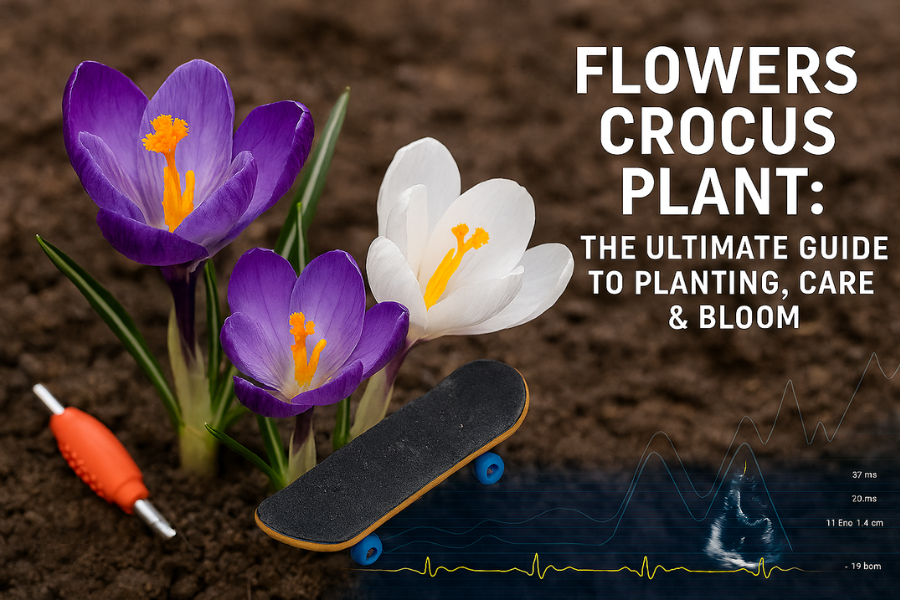
Flowers Crocus Plant brings early spring color to gardens and containers. You get cup-shaped blooms in purple, yellow, white, and striped varieties. Do you want bright patches that naturalize and feed early bees? Plant corms in well-drained soil in autumn and expect blooms once temperatures rise.
What makes a flower crocus plant a great choice for early spring color?
The flower crocus plant delivers fast, vivid blooms that appear when most gardens remain bare. You get cup-shaped flowers in purple, yellow, white, and striped varieties. Over 80 crocus species exist, so you can pick types for scent, color, or saffron harvest. Do you want an early-season show that naturalizes with time?
How and when should you plant crocus corms?
Plant corms in autumn when soil cools to about 15°C (60°F). Plant depth should be 5–7 cm and spacing about 7 cm apart. Group corms in clusters of three to nine for strongest visual impact. Use gritty, well-drained soil and a sunny to partly shaded site. Will you plant in turf, a border, or containers?
Chill corms at 35–45°F for 12–15 weeks to simulate winter. Plant chilled corms in pots with a gritty, peaty mix. Place pots in a cool bright spot when shoots appear and increase water gradually. Forced crocus can flower in late winter indoors. Do you want a printable chill-and-plant calendar?
What soil pH, temperature, and moisture suit crocus best?
Crocus prefers neutral to slightly alkaline soil around pH 6.0–7.0. Most crocus types thrive in USDA zones 3–8. Corms need a reliable winter chill of roughly 10–15 weeks near 35–45°F to set blooms. Keep soil moist during spring growth and allow it to dry as foliage dies to prevent rot. Is your site well drained and sunny enough?
Which pests and problems should you expect and how do you protect corms?
Rodents such as squirrels and chipmunks target corms. Use chicken wire or mesh under the soil at planting to stop digging. Excess moisture causes corm rot. Viral infections can distort leaves and reduce blooms; remove affected plants promptly. Will you add mesh protection when planting?
How long do corms last and when should you divide clumps?
Corms usually produce strong displays for three to five years before vigor drops. Divide crowded clumps every three to four years. Replant healthy offsets at about 3-inch spacing to restore bloom density. Do you plan a fall dig-and-divide schedule?
Which crocus varieties should you choose for color, scent, or saffron?
Snow crocus blooms very early and often shows bicolored petals. Dutch crocus produces larger flowers and bold hues. Tricolor crocus offers banded petals for strong contrast. Crocus sativus gives saffron from its stigmas for culinary use. Which goal matters more: mass color, fragrance, or harvest?
How do you care for crocus after bloom?
Leave foliage until it yellows so the corm stores energy. Remove dead leaves once brown. Hold off on mowing lawns where crocus grow until foliage fades. Replant or divide crowded clumps in autumn. Would you like a short post-bloom checklist?
FAQs
What is a flower crocus plant?
A flower crocus plant is a low‑growing perennial from the genus Crocus that grows from a corm and blooms in late winter to early spring.
When do crocus flowers bloom?
Crocus flowers appear from late winter through early spring. Bloom length usually runs about three weeks depending on weather.
What is another name for crocus?
Gardeners call crocus bulbs corms. A corm stores energy for fast spring growth.
How deep and how far apart should corms go?
Plant corms 5–7 cm deep and about 7 cm apart. Group corms in clusters of three to nine for best visual effect.
What soil and light suit crocus best?
Crocus prefers well‑drained soil and full sun to partial shade. Aim for pH around 6.0–7.0.
Can you grow crocus in containers?
Yes. Use pots with good drainage and a gritty, peaty mix. Chill corms before forcing indoor blooms.
How do you force crocus indoors?
Chill corms at 35–45°F for 12–15 weeks. Plant in pots and place them in a cool bright spot to trigger sprouting.
Are crocus plants safe for pets?
Some crocus varieties can harm dogs and cats. Keep corms and flowers out of pets’ reach.
What pests and problems affect crocus?
Rodents eat corms. Excess moisture causes rot. Viruses can distort foliage and flowers.
How long do corms last and when should you divide them?
Expect three to five years of strong performance. Divide crowded clumps every three to four years.
Final thoughts
The flower crocus plant gives fast, reliable spring color and early pollinator food. You get the best results when you match site, soil, and chill needs. Use correct planting depth, good drainage, and light rodent protection to keep corms productive. Choose varieties that match your goal: mass display, container interest, or saffron harvest. Will you plant a drift, a lawn pocket, or a container display this season?
“Discover your perfect space, only at HomeDwellish.”