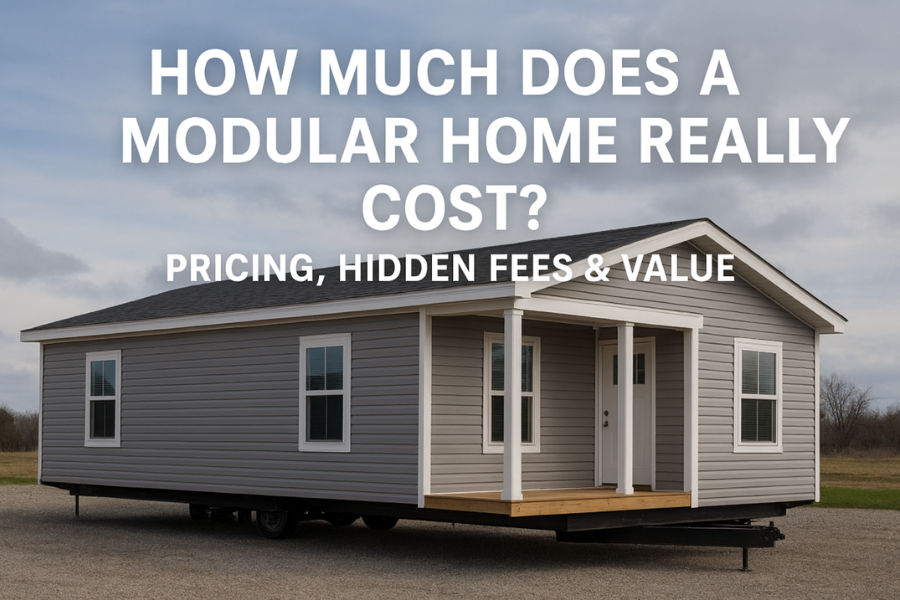
Modular Home Really Cost
Building a modular home can be a smart choice, offering faster construction times and potential savings. However, the final cost may surprise you. While modular homes are often marketed as affordable, the full price depends on various factors beyond just the base unit. Let’s break down modular home pricing, hidden costs, and smart ways to keep expenses in check.
What Are the Average Costs of Modular Homes?
Base unit (modules only): $50–$100 per sq. ft.
Delivered & installed home: $80–$160 per sq. ft.
Finished homes (move-in ready): $120,000–$270,000+, with luxury builds reaching $600,000+
The cost of a modular home depends on the size, design, and location. A mid-sized home typically falls between $160,000 and $320,000, while luxury models may exceed $775,000. However, this price range does not include land or site-specific costs.
How Do Prices Differ by Home Type?
| Home Type | Size | Typical Price Range (Finished) |
| Tiny Home | 200–800 sq. ft. | $30,000–$130,000 |
| Starter Ranch | 1,200–1,500 sq. ft. | $120,000–$240,000 |
| Family Home | 1,800–2,500 sq. ft. | $160,000–$365,000 |
| Luxury Custom | 2,700–3,500+ sq. ft. | $400,000–$775,000+ |
These prices cover the construction of the home but exclude land costs and necessary preparations.
What Hidden Costs Should You Budget For?
Expect to pay far more than just the advertised base price. Various hidden costs can add 20–35% to the final price. Here are the most common ones:
Land Preparation ($5,000–$25,000+): Clearing trees, grading, and soil tests are essential for preparing the land.
Foundation Installation ($6,000–$20,000+): Whether slab, crawlspace, or full basement, the foundation is a critical expense.
Utility Connections ($2,500–$25,000): Extending utilities such as water, gas, and electricity can be costly, especially in rural areas.
Permits & Inspections ($500–$4,000): Zoning and building permits are essential but vary by location.
Delivery & Setup Fees ($3,000–$12,000): The cost of transporting and setting up the modular units can be significant.
Customizations & Upgrades (+$50–$150 per sq. ft.): High-end finishes, custom layouts, and luxury upgrades can push costs higher.
Driveways & Walkways ($3,000–$30,000+): Long access roads or wider driveways for emergency vehicles can increase the budget.
Landscaping ($5,000–$20,000+): Landscaping is typically not included in the builder’s quote, so budget accordingly.
Financing & Interest: Construction loans often have higher interest rates, which can add up during the building process.
Post-Construction Finishing: Items like painting, decking, and trim work may fall outside the builder’s contract.
What Factors Influence the Final Cost?
Several key factors can affect the cost of your modular home:
Customization Level: Stick with standard layouts to save. Custom designs, especially high-end upgrades, can cost significantly more.
Land Location & Condition: Land that is flat, cleared, and easily accessible costs less to build on. Sloped, rocky, or flood-prone areas can drive costs up.
Home Style: Colonial homes tend to be cheaper per square foot than ranch-style homes, as they build “up” rather than “out.”
Builder Transparency: Some builders include foundation work, utilities, and delivery in their quotes, while others only cover the modules. Always ask for a detailed, itemized breakdown.
How Can You Control Your Modular Home Costs?
Here are some expert strategies to help you manage your modular home budget:
- Stick to Standard Floor Plans
Choose standard designs to avoid extra customization costs. You can always make upgrades later, but keep the basics affordable. - Bundle Services with One Builder
Selecting a design-build contractor who handles everything—site prep, permits, foundation, and installation—can streamline the process and reduce costs. - Budget for a 10–15% Contingency Fund
Unexpected costs are inevitable. Having a contingency fund allows you to handle surprises without derailing your budget. - Invest in Energy Efficiency Upfront
High-performance windows, insulation, and efficient HVAC systems can increase your upfront costs, but will save you money in the long run. - Prioritize High-Impact Upgrades
Spend more on features like the kitchen and bathrooms, where upgrades are most noticeable. Keep other areas simple to balance cost and luxury.
Is a Modular Home the Right Choice for You?
Modular homes can offer a faster, more predictable way to build your dream home. However, the key to success is careful planning and budgeting for all costs, not just the base price.
With precise, factory-built construction, modular homes offer high quality, efficiency, and the potential for significant savings—especially if you’re prepared to handle the hidden costs. For those who want to save time and get a quality home, modular construction remains one of the most cost-effective and customizable options available in 2025.
Discover inspiring ideas for every corner of your home at HomeDwellish
About the Author