Are you searching for a way to create a home that reflects your lifestyle? A custom modular home gives you that flexibility. Every detail can be shaped around your preferences, from floor plans to exterior finishes and energy-efficient upgrades. A modular build combines personalization with cost efficiency, making it a smart choice for modern homeowners.
Why Are Modular Homes Customizable?
A modular home is built inside a factory and later assembled on your land. The method ensures quality control and faster delivery. Customization remains a core benefit. You gain full control over design choices without the delays common in traditional builds.
You can make adjustments such as:
Flexible floor layouts that fit your lifestyle.
Exterior upgrades including siding, roof type, and porches.
Interior finishes tailored to your taste.
Energy-smart features that cut monthly bills.
According to the U.S. Census Bureau, modular homes can be completed 30–50% faster than site-built homes. That speed creates more room in your budget for upgrades.
How Can You Customize Your Floor Plan?
A floor plan sets the foundation for daily comfort. You can begin with a builder’s catalog design or create your own layout using modular planning tools.
Common options include:
Adapting base models to reduce costs.
Relocating kitchens or bathrooms for better flow.
Adding a den, office, or mudroom for extra space.
Choosing multi-story layouts such as Cape Cod or two-story builds.
Home design software like Plan7Architect lets you draw plans in 2D and preview them instantly in 3D. According to Statista, over 70% of new homebuyers prefer visual planning tools before finalizing a design.
What Are the Best Exterior Customization Options?
Your home’s curb appeal starts with its exterior. A modular home builder usually provides multiple architectural styles such as Ranch, Colonial, or Modern.
Popular upgrades include:
Vinyl, wood, or fiber cement siding.
Stone or brick accent walls.
Dormers, gables, and covered porches.
Metal roofing or designer shingles.
Reports from the National Association of Realtors show that exterior upgrades increase resale value by 20% on average. Choosing quality finishes early can add long-term value.
Which Interior Features Can You Personalize?
The interior design defines how your home feels every day. You have a wide selection of finishes and fixtures to choose from.
Homeowners often upgrade:
Cabinets, countertops, and backsplashes.
Flooring types such as hardwood or luxury vinyl.
Faucets, sinks, and lighting.
Bathrooms with spa-inspired showers or freestanding tubs.
A Houzz survey found that over 60% of homeowners prioritize kitchen and bathroom upgrades during custom builds. That focus makes those spaces the best place to invest first.
What Energy-Efficient Upgrades Are Available?
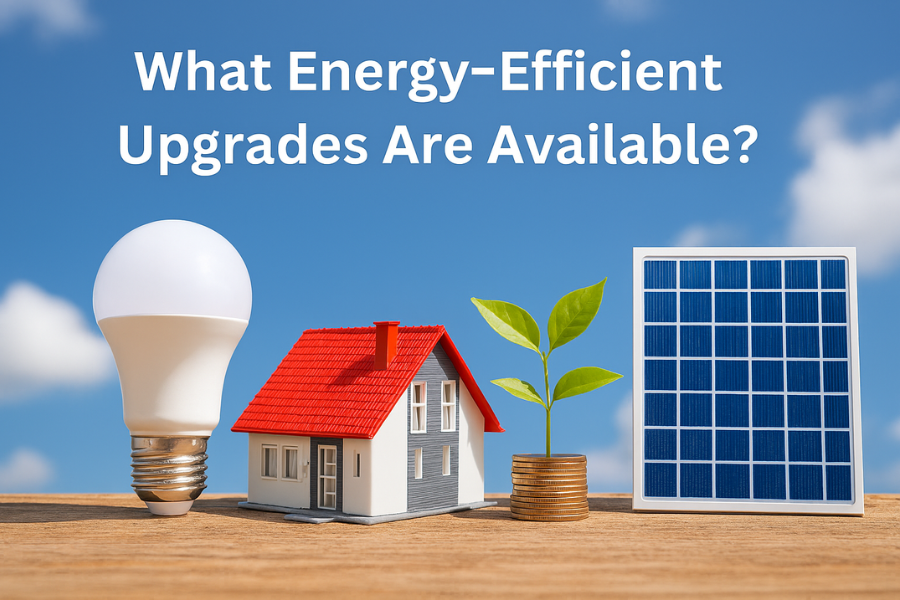
Energy efficiency lowers costs and supports sustainable living. Modular homes are well-suited for green technology.
You can add:
Smart lighting, heating, and security systems.
High-performance insulation.
Solar panel-ready roofing.
Recycled and eco-friendly materials.
According to the U.S. Department of Energy, energy-efficient homes can cut utility bills by 25–30% annually. Smart upgrades offer long-term savings.
What Is the Process of Building a Custom Modular Home?
Designing and building a modular home follows a structured path. Each stage keeps you in control while reducing delays.
- Define needs like bedroom count and lifestyle features.
- Select a base plan or draw your own.
- Customize layouts and finishes with your builder.
- Secure permits for zoning compliance.
- Begin factory construction in a controlled environment.
- Transport and assemble modules on your site.
- Finish interiors with paint, flooring, and fixtures.
The Modular Home Builders Association notes that this process reduces construction time by up to 50% compared to site-built homes.
How Much Does Customization Cost?
The budget depends on the depth of personalization.
Basic upgrades: $5,000 – $15,000
Mid-range options: $15,000 – $30,000
Luxury designs: $30,000 – $50,000+
Energy-efficient features, luxury kitchens, and smart home systems often push costs higher. Setting priorities early helps control expenses.
What Are the Benefits of Choosing a Custom Modular Home?
Modular homes provide both design freedom and efficiency. You benefit from:
Faster project completion.
Lower construction costs.
Factory-level quality control.
Scalable layouts for future growth.
Personalization that reflects your lifestyle.
Harvard’s Joint Center for Housing Studies reports that demand for modular and prefabricated homes is rising steadily, fueled by affordability and customization flexibility.
Final Thoughts
A custom modular home offers an efficient path to owning a personalized space. You gain full control over design, energy use, and finishes while staying on budget. Whether you prefer a simple ranch or a multi-level modern layout, the right planning process makes it achievable. By working closely with a builder and using smart design tools, you can bring your dream home to life.
FAQs
Q1. Can you fully customize a modular home?
You can fully tailor a modular home. Floor plans can be modified, extra rooms can be added, and both interiors and exteriors can be upgraded with premium finishes.
Q2. How long does a modular home take to build?
A modular home usually takes 3–6 months. The process is up to 50% faster than traditional construction because factory building avoids weather delays.
Q3. Are modular homes more affordable than traditional homes?
A modular home often costs 10–20% less than a site-built home. Factory efficiency and reduced labor needs lower the overall expense.
Q4. Which upgrades increase modular home value the most?
Kitchens and bathrooms provide the highest return on investment. Energy-efficient windows, modern exteriors, and smart home systems also add strong resale value.
Q5. How long do modular homes last?
A modular home uses the same materials as a traditional house. With proper maintenance, the lifespan often exceeds 50 years.
Q6. Can a modular home be expanded with a second story?
Many modular designs allow future expansions. A second story, garage, or porch can be added if the foundation and structure are planned in advance.
Q7. Are modular homes energy-efficient?
A modular home can include high-performance insulation, smart thermostats, and solar panels. The U.S. Department of Energy reports that energy upgrades reduce bills by 25–30% annually.
Q8. What is the cost of customizing a modular home?
Customization costs vary from $5,000 for basic finishes to over $50,000 for luxury features such as quartz countertops, solar systems, or spa bathrooms.
Q9. Do modular homes comply with building codes?
Every modular home must pass the same local and state building codes as site-built homes. Factory inspections ensure structural integrity and safety.
Q10. Can you design your own modular home floor plan?
Yes. Many builders provide interactive design tools. Software such as Plan7Architect allows you to create detailed 2D and 3D layouts before construction.
Discover inspiring ideas for a beautiful home at Homedwellish.