Smart Home Interiors in the Future
Homes will merge AI, wellness, and style. You will see interiors learn from daily routines. The guide outlines trends set to transform design by 2025.
How Will Aesthetics Hide Technology?
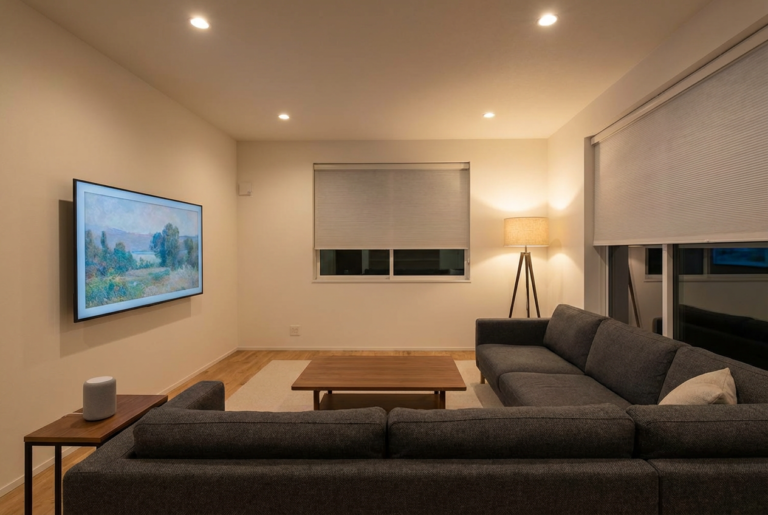
Next, designers embed gadgets behind walls and ceilings. You find no visible wires or bulky devices. Hidden panels sit flush within furniture. Clean lines prevail.
How Will Homes Adapt to Your Routines?
Then, sensors track your patterns. Systems adjust light and temperature automatically. A Matter protocol links devices across brands. You enjoy unified control. A global smart home market will rise from $84.5 billion in 2020 to $192 billion in 2026.
How Will AI Personalize Daily Life?
Moreover, AI analyzes fridge contents and suggests meals. Homes learn your temperature and light preferences. McKinsey data shows AI can boost personalization accuracy by 85 percent. You gain tailored experiences without manual input.
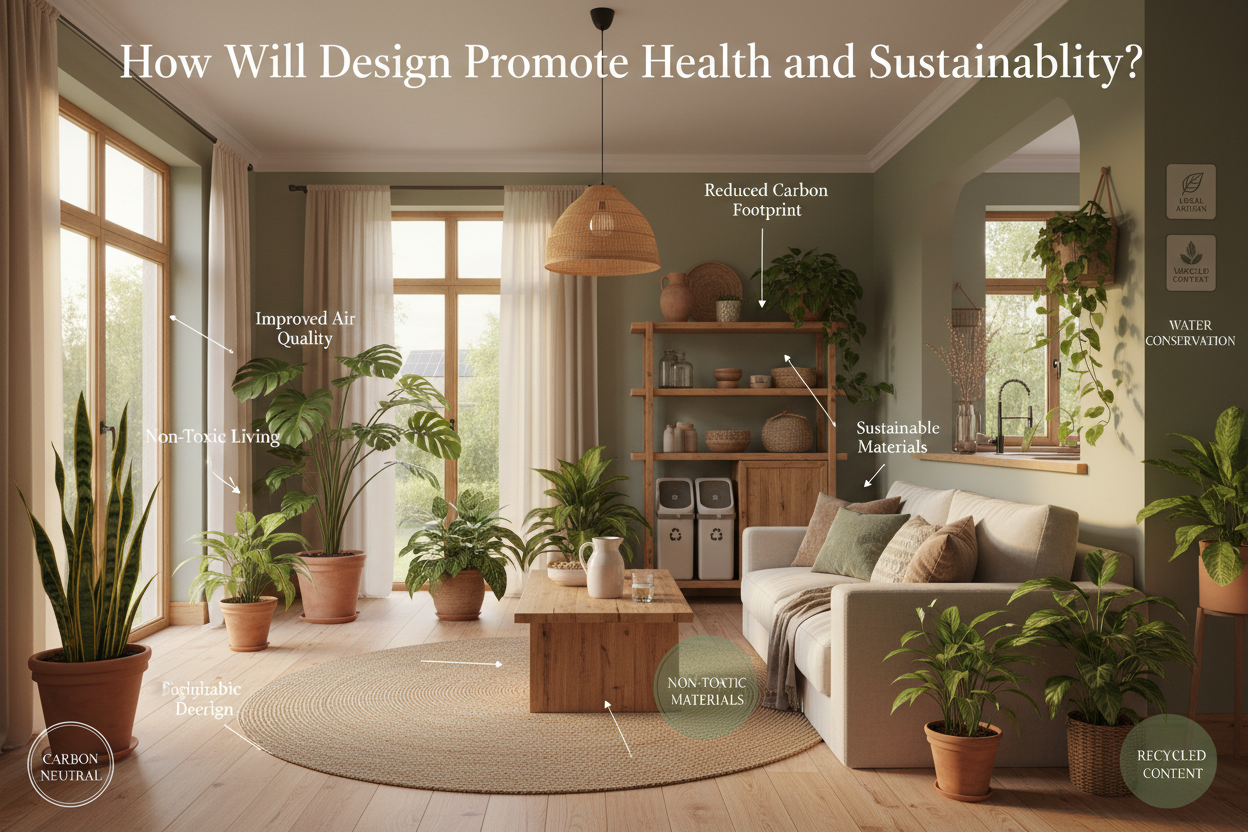
How Will Design Promote Health and Sustainability?
Also, smart shades follow daylight cycles to support circadian rhythm. Sensors track pollutants and power purifiers instantly.
Additionally, a study by ASID shows 78 percent of clients praise wellness-focused spaces. JLL data highlights a 22 percent boost in tenant retention for smart-enabled units.
How Will Homes Optimize Energy and Resources?
Next, solar panels tie into AI-powered battery arrays. They balance supply and demand without user action. Timed appliance use cuts utility costs. Passive design strategies reduce heating loads. MarketsandMarkets finds smart energy systems can cut household consumption by 30 percent.
How Will Flexibility Enhance Space and Value?
Then, modular sofas transform into beds in seconds. Coffee tables include refrigerated drawers. RentCafe shows smart-enabled apartments lease 28 percent faster. You gain higher value and convenience.
What Lies Ahead by 2030?
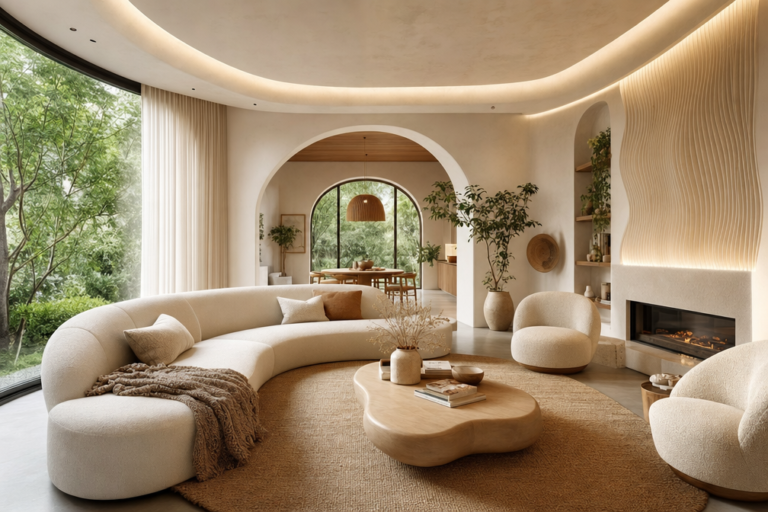
Finally, homes will sense moods and adapt light, sound, and scent. You interact through natural dialog. Concealed tech will blend with organic materials. Spaces will feel alive.
What Final Takeaway Should You Remember?
Smart homes will go beyond simple automation. You will inhabit spaces that sense your needs. AI will tailor settings to comfort and health. Sustainability will steer design at every level. Which trend will you adopt first?
FAQs
How will homes learn my routines?
Sensors track patterns over time. AI analyzes data and adapts settings. JLL reports a 22 percent rise in tenant retention for smart-enabled units.
How does AI personalize my environment?
AI assesses device usage and user behavior. It adjusts light, temperature, and even suggests meals. McKinsey finds AI boosts personalization accuracy by 85 percent.
What steps can I take to upgrade my home?
A unified hub compatible with the Matter protocol makes a solid first step. You can add flush-mounted controls and hidden devices. Adaptive lighting systems and smart shades complete the upgrade.
What role does sustainability play in smart design?
Eco-friendly materials and solar integration lower carbon footprint. Automated systems cut energy use by up to 30 percent in many homes.
How will voice control evolve?
Voice interfaces will shift to natural dialogue. The system will recall context and user preferences. You speak and it responds like a conversation partner.
“Transform your living space with expert advice from Homedwellish.”
About the Author