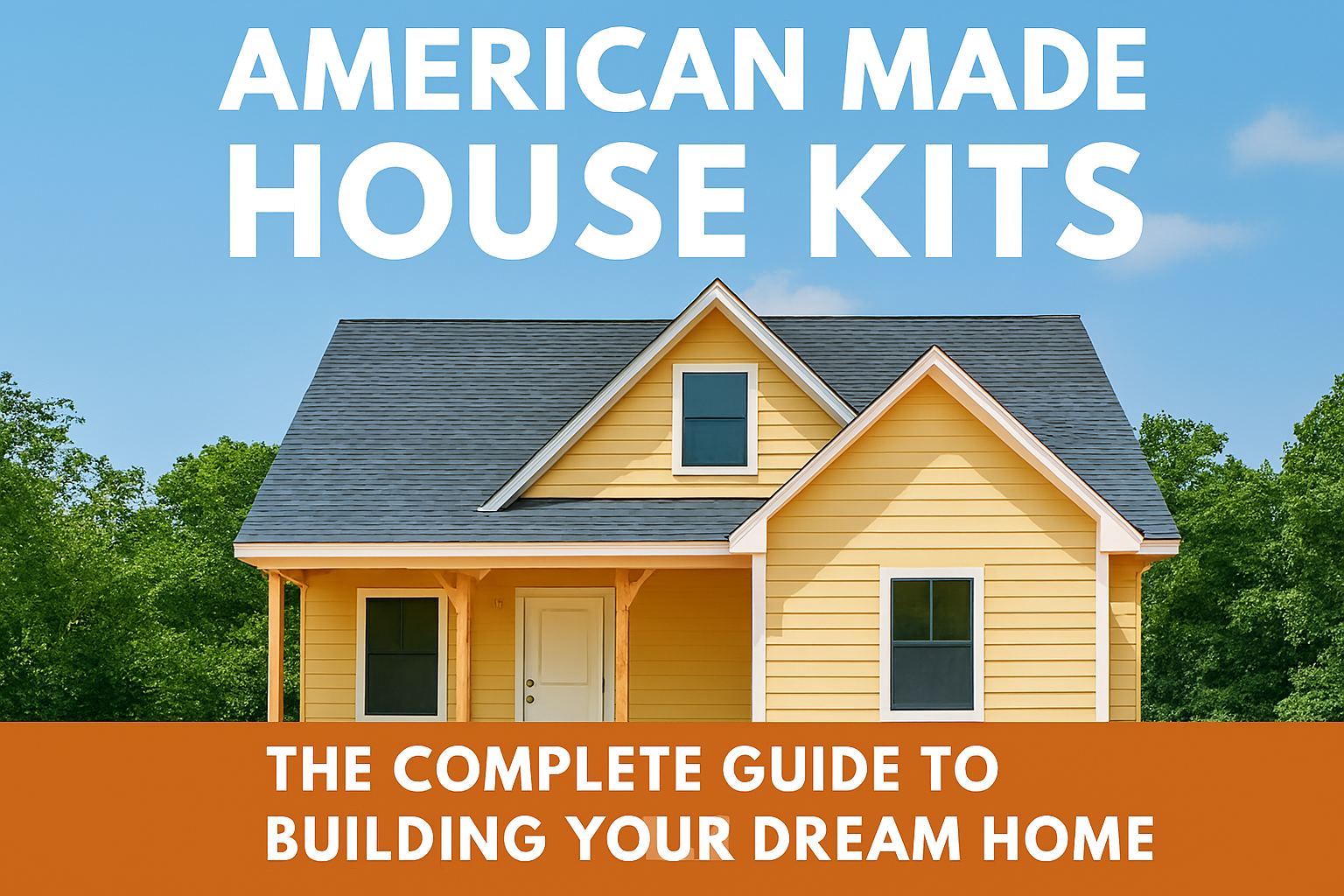
american made house kits
Building a home ranks among the biggest investments in life. You want affordability, quality, and control. American made house kits give you all three. Pre-cut materials, clear instructions, and customizable options make construction accessible. You can choose a rustic log cabin, a steel-frame barndominium, or a modern energy-efficient cottage.
Industry data shows that prefabricated and kit homes can reduce construction costs by up to 20–30% compared to traditional builds (NAHB, 2023). That means more savings for your budget and faster move-in times.
What Defines American Made House Kits?
House kits arrive as pre-packaged sets of materials. Each piece comes labeled and often pre-cut. Instructions guide you through the process. You can build yourself or hire professionals.
- Origins: Kit homes appeared in North America in the early 20th century as catalog mail-order homes. Sears sold over 70,000 kits between 1908 and 1940.
- Sizes: Options range from 60 sq. ft. garden sheds to 1,000+ sq. ft. cottages.
- DIY-Friendly: Many kits target buyers with no prior construction experience.
- Customization: Packages vary from basic shells to fully prefabricated homes with finishes and fixtures.
Would you prefer a simple shell to finish yourself, or a turnkey kit with everything included?
Which Timber Frame Kits Stand Out?
Shelter Kit (New Hampshire)
- What’s included: Pre-cut wood shell, labeled parts, step-by-step instructions.
- Best for: DIY builders who want a traditional wood-frame home.
- Why it stands out: Over 50 years of experience and a reputation for simplicity.
Overman Buildings (Arkansas)
- What’s included: Multiple kit levels, from shells to turnkey packages. About 99% of materials are American-made.
- Best for: Buyers in Arkansas seeking timber-frame or barndominium-style kits.
- Note: Standard shipping covers a five-hour radius from Pocahontas, AR. Extended shipping requires third-party carriers.
How Do Steel Frame Kits Compare?
Budget Home Kits
- What’s included: Pre-engineered steel components, illustrated manual, EZ-Form foundation system.
- Best for: Buyers who want a durable, all-steel structure.
- Why it stands out: Uses more American-made steel per square foot than competitors.
Apex Metal Buildings (Northwest Arkansas)
- What’s included: Customizable house and barn kits with in-house fabrication.
- Best for: Buyers seeking flexible steel-frame homes with local support.
Steel-frame homes can last 50–100 years with minimal maintenance, according to the American Iron and Steel Institute. Would long-term durability matter most to you?
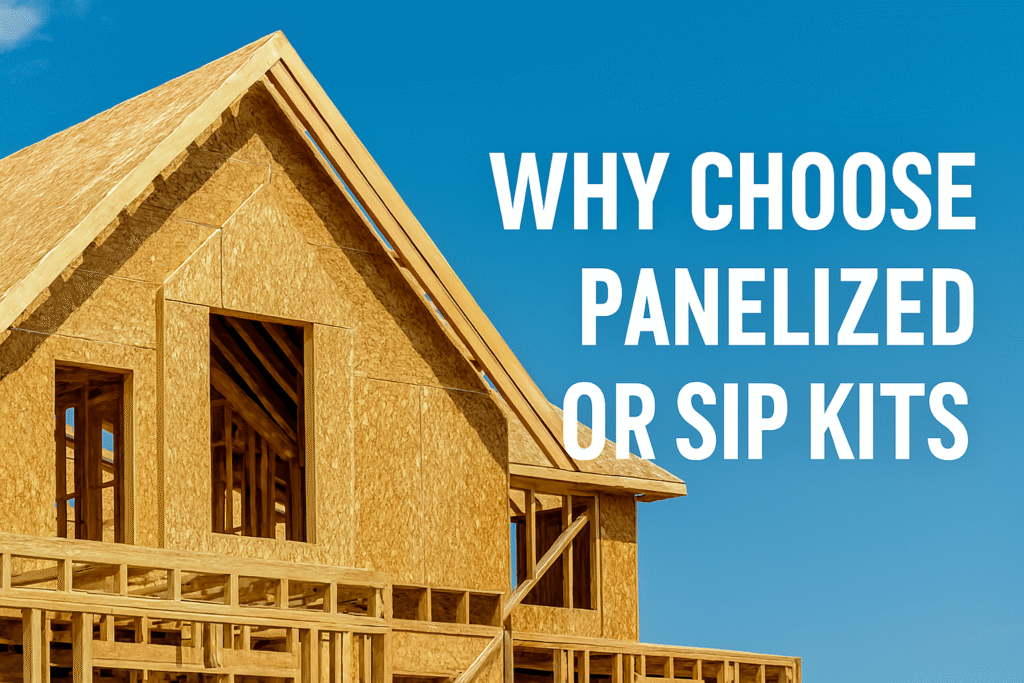
Why Choose Panelized or SIP Kits?
Mighty Small Homes (Kentucky)
- What’s included: Numbered wall and roof panels made from structural insulated panels (SIPs).
- Best for: Eco-conscious buyers who want energy efficiency.
- Why it stands out: SIPs cut heating and cooling costs by up to 60% (U.S. Department of Energy).
Zip Kit Homes
- What’s included: Pre-framed walls, fixtures, tubs, faucets, decking, windows, lighting. Plumbing and exterior finishes excluded.
- Best for: Buyers seeking modern designs with faster assembly.
- Why it stands out: Strong customer service and streamlined process.
Which Mail-Order and Tiny House Kits Are Popular?
Mail-order kits remain popular for tiny houses, guest cottages, and vacation retreats. Leading suppliers include:
- Allwood (Avalon, Arlanda XL, Estelle 5, Mayflower)
- Jamaica Cottage Shop (Vermont Cottage, Writer’s Haven)
- Pacific Modern Homes (Meadow View, starting at $37,053)
- kitHAUS (k5 + k6 series, starting at $85,000)
- Conestoga Log Cabins (Aspen & Getaway)
- Deltec Homes (360° Collection)
Tiny homes under 400 sq. ft. now account for over 15% of new kit home sales in the U.S. (IBISWorld, 2024). Would a compact design fit your lifestyle?
What Are the Benefits of American Made House Kits?
- Quality Assurance: U.S.-sourced materials ensure durability.
- Cost Savings: Faster builds reduce labor costs.
- Customization: Choose rustic, modern, or steel-frame designs.
- Sustainability: SIPs and prefab systems improve energy efficiency.
- Local Support: Easier access to service and replacement parts.
How Do You Start Your Build?
- Plan Your Site – Choose land with good sun exposure, terrain, and utility access.
- Review Specifications – Confirm size, style, and inclusions.
- Budget Carefully – Factor in permits, site prep, utilities, and finishing.
- Secure Financing – Explore loans or builder partnerships.
- Check Regulations – Obtain permits and follow zoning laws.
- Assemble a Team – Hire professionals for plumbing or electrical.
- Set a Timeline – Track milestones and progress.
What Tips Ensure a Successful Build?
- Visit showrooms or model homes.
- Research suppliers and read reviews.
- Account for site preparation costs.
- Stay flexible during construction.
- Celebrate milestones along the way.
Final Thoughts
American made house kits combine affordability, quality, and customization. You can build a cozy cottage, a modern prefab, or a steel-frame barndominium. Each option supports U.S. craftsmanship and gives you control over your home.
Careful planning, budgeting, and supplier research will guide you toward success. Your dream home can become reality—one pre-cut panel at a time.
FAQs
1. How much do American made house kits cost?
Prices vary by size, materials, and level of prefabrication. Small cottage kits can start around $20,000–$30,000, while larger steel-frame or modern prefab kits can exceed $100,000. According to HomeAdvisor, the average cost of a kit home in the U.S. falls between $40,000 and $140,000 before land and finishing expenses.
2. Can you build a house kit without professional help?
Yes, many kits are designed for DIY assembly. Companies like Shelter Kit provide step-by-step instructions for people with no prior construction experience. However, tasks such as plumbing, electrical, and foundation work often require licensed professionals.
3. How long does it take to build a kit home?
Construction time depends on the size and complexity of the kit. A small cabin or cottage can be assembled in a few weeks, while larger homes may take three to six months. Prefabricated or panelized kits reduce build time by up to 40% compared to traditional construction.
4. Are American made house kits durable?
Yes, durability is a key advantage. Steel-frame kits can last 50–100 years with minimal maintenance. SIP-based homes from companies like Mighty Small Homes provide superior insulation and structural strength, reducing energy costs by up to 60%.
5. Do house kits include everything needed to build?
Most kits include pre-cut framing, walls, roofing, and instructions. Some suppliers add fixtures, windows, and doors. Others offer upgrades for plumbing, electrical, or interior finishes. Always review the specifications before purchase to confirm inclusions.
6. Can you finance a house kit?
Yes, financing options exist. Many buyers use construction loans, personal loans, or home equity lines of credit. Some kit suppliers partner with lenders to simplify the process.
7. Are permits required for kit homes?
Yes, local building permits are required in most areas. Regulations vary by state and county. Always check zoning laws and building codes before ordering a kit.
8. What are the main benefits of American made kits compared to imported kits?
- Higher quality assurance and craftsmanship.
- Local customer support and easier access to replacement parts.
- Stronger compliance with U.S. building codes.
- Support for domestic manufacturing and jobs.
9. How energy-efficient are kit homes?
Panelized and SIP kits provide excellent insulation. Studies by the U.S. Department of Energy show that SIP homes can cut heating and cooling costs by 50–60% compared to traditional stick-built homes.
10. Who are the leading American made house kit suppliers?
Some of the most recognized names include:
- Shelter Kit (wood-frame kits)
- Overman Buildings (timber-frame and barndominiums)
- Budget Home Kits (steel-frame homes)
- Apex Metal Buildings (custom steel kits)
- Mighty Small Homes (SIP-based energy-efficient kits)
- Zip Kit Homes (modern prefab designs)
- Allwood, Jamaica Cottage Shop, Pacific Modern Homes, kitHAUS, Conestoga Log Cabins, Deltec Homes (tiny and modular options)
Find inspiration, ideas, and guides to elevate your living space at HomeDwellish
About the Author