
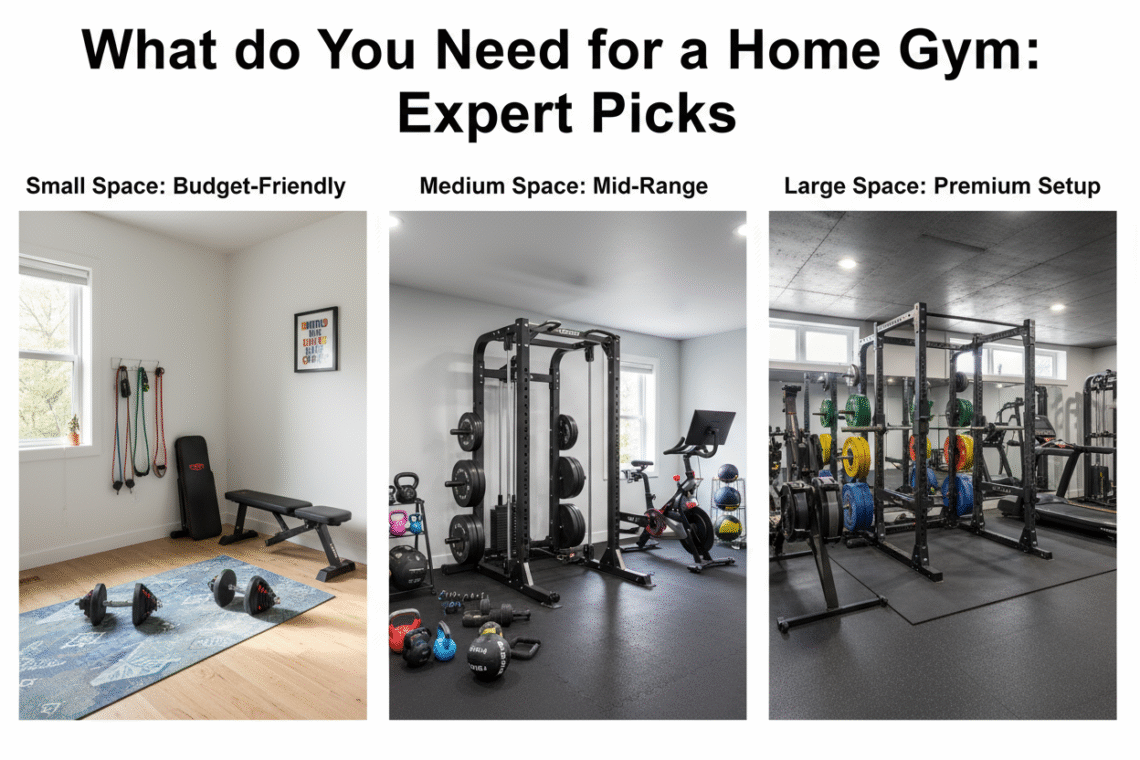
Building a home gym isn’t about collecting gear. it’s about creating a space that supports your goals, fits your lifestyle, and evolves with your training. Whether you’re lifting heavy, chasing cardio, or just starting out, here’s what you really need.
Core Equipment: Start Smart, Scale Later
These items offer maximum versatility, minimal space usage, and solid ROI.
- Adjustable Dumbbells Replace multiple sets. Ideal for strength, toning, and progressive overload.
- Adjustable Bench Supports incline, decline, and flat movements. Crucial for chest, back, and legs.
- Resistance Bands Portable, powerful, and proven. Great for warm-ups, rehab, and full-body training.
- Jump Rope Compact cardio tool. Boosts coordination, endurance, and agility.
- Yoga or Exercise Mat Adds comfort and grip. Essential for floor work, stretching, and recovery.
- Kettlebells Functional strength in one handle. Use for swings, squats, presses, and flows.
- Pull-Up Bar Mountable or door-frame. Builds upper-body strength and core control.
Heavy Lifting Essentials: For Serious Strength Training
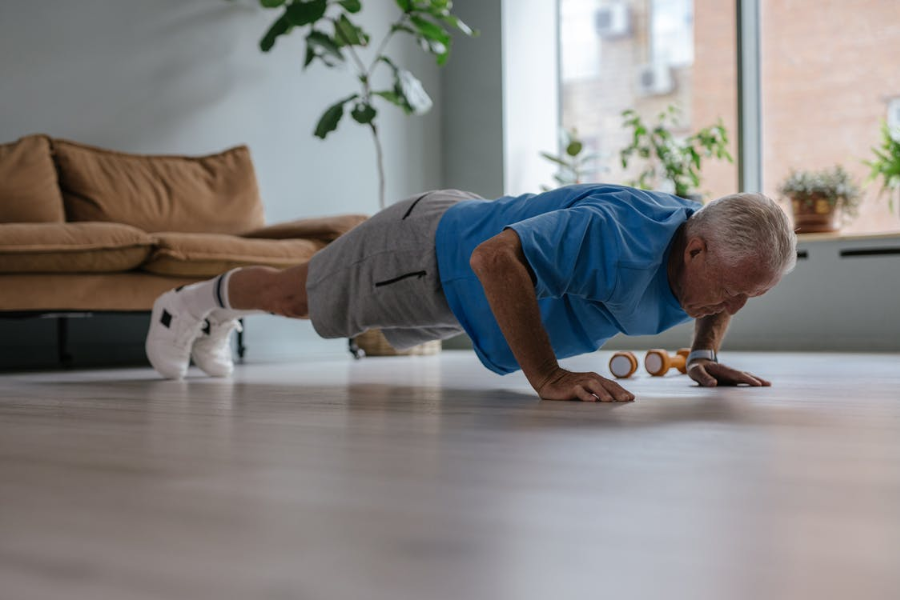
If you’re chasing muscle mass or powerlifting goals, upgrade with these:
- Olympic Barbell + Bumper Plates Foundation for squats, deadlifts, presses. Bumper plates protect floors and allow drops.
- Squat Rack or Power Rack Enables safe lifting. Many include pull-up bars and band pegs.
- Weight Bench Flat or adjustable. Supports presses, rows, and step-ups.
- TRX or Rings Suspension tools for core, mobility, and instability training.
- Medicine Ball Slam, toss, or squat. Choose soft-shell to avoid bounce-back injuries.
Cardio Machines: Optional but Impactful
If you prefer indoor cardio or structured endurance work:
- Stationary Bike Low-impact, joint-friendly. Great for intervals and recovery rides.
- Treadmill Walk, jog, or sprint. Look for incline and speed settings.
- Rowing Machine Full-body burn. Combines cardio with strength.
Accessories That Elevate Your Space
These additions improve safety, comfort, and motivation.
- Foam Roller Speeds up recovery. Reduces soreness and improves mobility.
- Rubber Flooring or Mats Protects surfaces. Adds grip and shock absorption.
- Storage Solutions Pegboards, racks, or bins. Keeps gear tidy and accessible.
- Mirror Check form. Visually expands small spaces.
- Fan or Ventilation Crucial for airflow. Especially in garages or basements.
- Bluetooth Speaker Music boosts mood and performance. Keep it simple and portable.
Real Talk: You Don’t Need It All
Start with your body weight. Add gear as your goals evolve. The best home gym is one you’ll actually use.
Bonus Perks of Home Training:
- No commute. No crowds.
- Pajamas are acceptable.
- You control the playlist.
- Your kids might join in—or just cheer you on.
Final Thoughts
A home gym isn’t built overnight. It’s built with intention. Start with versatile basics. Add gear that matches your goals. Prioritize space, safety, and consistency. Whether you’re lifting heavy or keeping it minimal, the best gym is the one you’ll use regularly.
Remember:
- You don’t need fancy machines.
- You don’t need a huge budget.
- You just need a plan—and the discipline to show up.
FAQs
Q: What’s the minimum equipment for a home gym?
A: Start with resistance bands, adjustable dumbbells, a mat, and a jump rope. These cover strength, cardio, and mobility.
Q: How much space do I need?
A: A 6×6 ft area is enough for basic workouts. Larger setups need 10×10 ft or more, especially for racks or cardio machines.
Q: Is a treadmill necessary?
A: Not always. If you prefer walking or running indoors, it’s useful. Otherwise, jump rope or bodyweight cardio works well.
Q: Can I build a home gym on a budget?
A: Yes. Focus on multi-use gear like resistance bands, kettlebells, and a pull-up bar. Add more over time.
Q: What flooring is best for a home gym?
A: Rubber tiles or heavy-duty mats protect your floor and reduce impact. They also improve grip and comfort.
Q: How do I keep my gym organized?
A: Use wall-mounted racks, pegboards, or storage bins. Keep gear off the floor to avoid clutter and injury.
Q: What’s better—dumbbells or kettlebells?
A: Both are great. Dumbbells offer control and isolation. Kettlebells build functional strength and dynamic movement.
Make every corner of your home inspiring HomeDwellish.